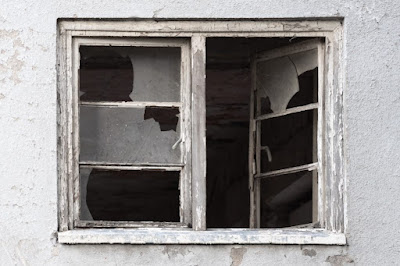
 |
| Photo by Pawel Czerwinski on Unsplash |
broken windows theory: academic theory proposed by James Q. Wilson and George Kelling in 1982 that used broken windows as a metaphor for disorder within neighborhoods. Their theory links disorder and incivility within a community to subsequent occurrences of serious crime. --Brittanica* * *
The broken windows theory is a criminological theory that states that visible signs of crime, anti-social behavior and civil disorder create an urban environment that encourages further crime and disorder, including serious crimes. The theory suggests that policing methods that target minor crimes such vandalism, loitering, public drinking, jaywalking and fare evasion help to create an atmosphere of order and lawfulness.
The theory was popularized in the 1990s by NYC police commissioner William Bratton and Mayor Rudy Giuliani, whose policing policies were influenced by the theory. The result was a 40% reduction in felonies, with a 50% drop in homicides.
See: https://en.wikipedia.org/wiki/Broken_windows_theory#Other_effects
* * *
What most needs explanation is not why some people are criminals, but why most people are not. --James Q. Wilson
According to the Brittanica account, the broken windows theory "further posits that the prevalence of disorder creates fear in the minds of citizens who are convinced that the area is unsafe. This withdrawal from the community weakens social controls that previously kept criminals in check. Once this process begins, it feeds itself. Disorder causes crime, and crime causes further disorder and crime."
The authors propose that to succeed at preventing vandalism communities must address the problems when they are a small. If broken windows are fixed quickly, there is less likelihood you will have more broken windows. Clean the sidewalks every day and there is less littering. When you allow problems to escalate, "respectable" residents flee the neighborhood.
Right now, I am dealing with rats in our goose barn. When I saw the first evidence of rats being present I should have been more proactive. By allowing them to multiply, it has been a much lengthier battle.
"Public order is a fragile thing, and if you don't fix the first broken window, soon all the windows will be broken."--James Q. Wilson
Worth Reading: The Fall of Seattle, by T.A. Frank


