History is littered with contrarians who reshaped our world. Galileo stared down the Inquisition, insisting the Earth orbited the Sun, not vice versa. He faced house arrest, yet his defiance made a significant contribution to modern astronomy.
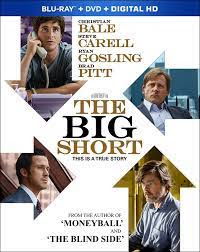
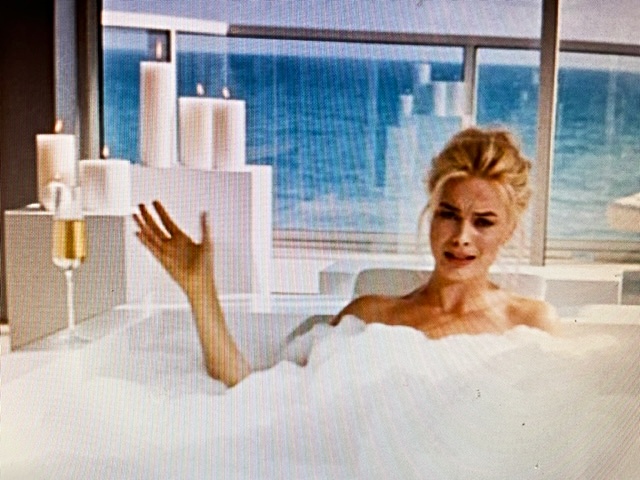
Fast-forward to 2008. Michael Burry, the investor immortalized in The Big Short, bet against the housing market when Wall Street laughed him off. Labeled a lunatic, he profited billions while the economy crumbled. Or consider Rosa Parks, whose simple refusal to move sparked the Civil Rights Movement. These weren't reckless rebels, brave souls who put something on the line to go against tradition.
So, why does contrarianism require such guts? First, the social sting. Humans are wired for belonging. Dissent risks isolation, mockery, or (in our social media age) worse—cancellation. Second, there's a personal toll. Doubt creeps in when you're the lone voice. Self-doubt whispers, "What if I'm wrong?" Or perhaps the more common response, "Is this my line in the sand? Is this an issue I want to be a martyr for?"
It's challenging to stand alone, and sometimes costly. See (or read) Ibsen's An Enemy of the People.
When others are hugging the status quo, being contrarian can be the driving force of innovation. Steve Jobs bucked the trend of button-heavy phones with the iPhone, turning Apple into a trillion-dollar titan. Warren Buffett thrived by zigging when others zag, famously advising to "be fearful when others are greedy."
Being contrarian isn't about being difficult—it's about integrity. It takes courage to question echo chambers, whether in politics, business, or daily life. (Where are the individualist voices in the GOP or Dem parties? What is all this unapologetic party lockstep alignment about?)
As for courage, yes, it's necessary. Why do we hold back? Someone once said courage is like a muscle that is strengthened with use. And like a virus, it's contagious.
Embrace the discomfort. The world needs more contrarians—not to divide, but to elevate us.
Illustration: A Gemini 2.5 modified version of one of my doodle drawings.